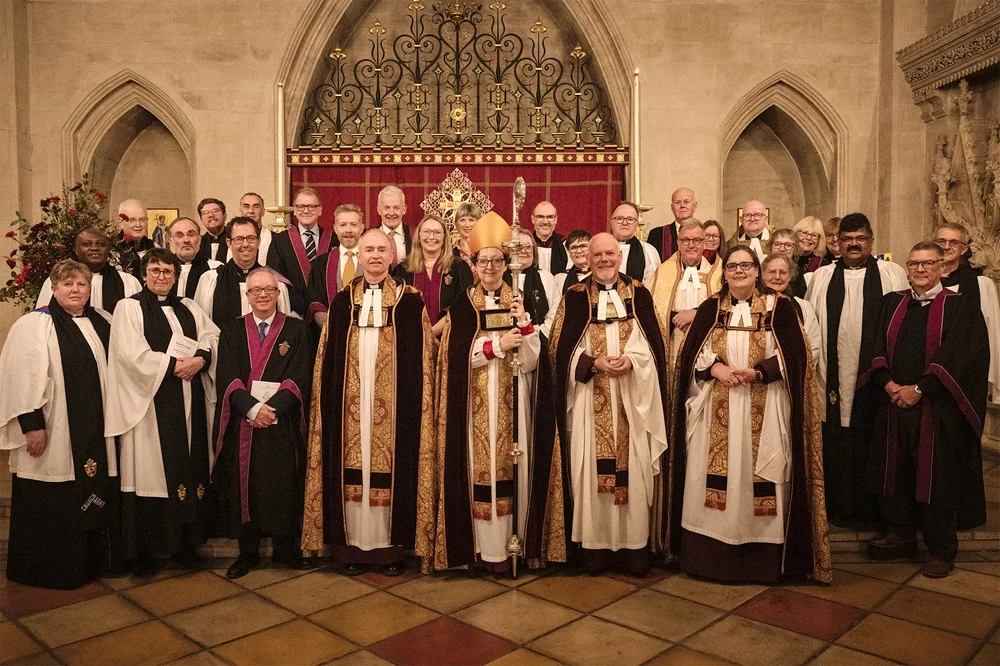
Six Suffolk residents made Honorary and Lay Canons
Demonstrating ‘exemplary and unusual service to the Cathedral'

Reconnecting the community with local history, nature, and inclusive spaces
Six historic bells – including three cast in 1614 – will be lowered from the tower of St Peter’s Church in Copdock on Wednesday 9 September. The event marks the start of a £500,000 project supported by The National Lottery Heritage Fund to restore the 15th-century tower and transform the church into an accessible community hub.
St Peter’s Church in Copdock lowers rare 1614 bells for restoration to launch a major project reconnecting the community with local history, nature, and inclusive spaces
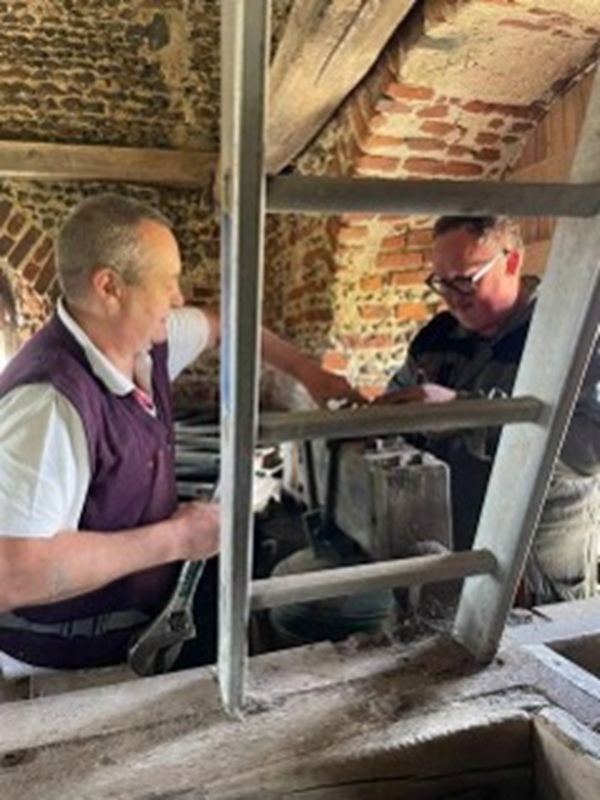
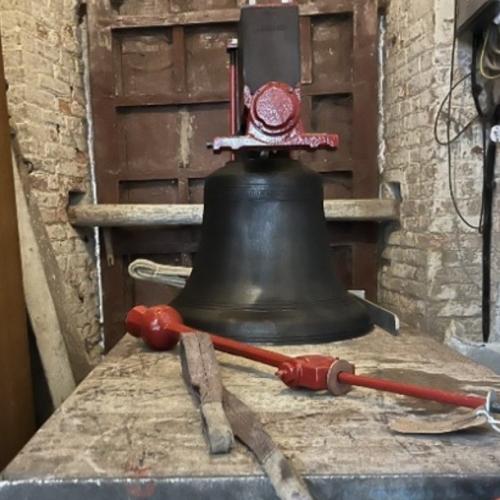
Specialist bellhangers working with trained volunteers from the Suffolk Guild of Ringers, will carefully lower all six bells, including three cast by renowned English bellfounder Miles Graye in 1614. They will then be displayed inside the church before being taken to a restoration specialist, and later rehung.
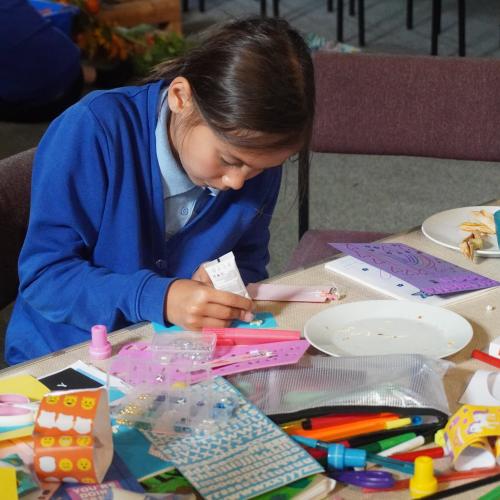
For children, the Bell Down Day offers an unusual opportunity to get close to pieces of Suffolk’s history that are normally hidden high in the church tower. Pupils from Copdock Primary School will be among those able to see them at close quarters and experience the cast metal and historic markings before the bells leave for restoration.
But the bells are just the beginning.
The Bell Down Day marks the launch of Heritage in Harmony: Bells, Biodiversity and Belonging, a 24-month project supported by a £250,000 grant from The National Lottery Heritage Fund, made possible by National Lottery players. The initiative combines structural conservation with an ambitious community programme, featuring 35 public events expected to engage over 1,300 people.
Highlights of the two-year programme include:
Project Lead David Lincoln said: “This project represents years of intense preparation and extraordinary dedication from our community. Watching these bells come down marks the start of an exciting 2-year programme. For the first time in their history, our 400-year-old bells will be tuned together, and with the addition of two new bells. This is a massive engineering and cultural milestone. But just as exciting are the community benefits. From behind-the-scenes ‘hard hat’ restoration tours to school wildlife monitoring, stargazing nights, and local history exhibitions at the University of Suffolk, there will be countless opportunities for everyone to get involved. We cannot wait to welcome residents of all ages to share in this heritage.”
Alongside community outreach, the Grade II* listed tower – suffering from roof timber rot and severe Deathwatch beetle damage – will undergo structural stabilisation. The deteriorating 19th-century timber bell frame, which currently causes dangerous movement when the bells are rung, will also be replaced to safeguard the ancient building fabric.
To make the project events and building more accessible, a new level York stone pathway will replace the uneven churchyard terrain. For visitors unable to climb the narrow tower stairs, a permanent camera will stream live footage of the ringing bells directly to a ground-floor.
The project will also work with a whole host of local wellbeing practitioners to offer activities aimed particularly at addressing rural isolation.
The Revd Natalie West, parish priest, said: “We are absolutely thrilled to begin this transformative journey at St Peter’s. Lowering our historic bells is a momentous, highly visual first step in restoring our 1478 tower and safeguarding our rare 1614 Miles Graye bells for future generations. However, this project is about far more than bricks and metal – it is about restoring the heartbeat of Copdock. Thanks to National Lottery players and our incredible local supporters, we are creating a welcoming, fully accessible community space where heritage, nature, and wellbeing meet.”
The project represents a total investment of just under £500,000, including the £250,000 National Lottery Heritage Fund grant, £147,000 in match funding and substantial volunteer support.
Demonstrating ‘exemplary and unusual service to the Cathedral'
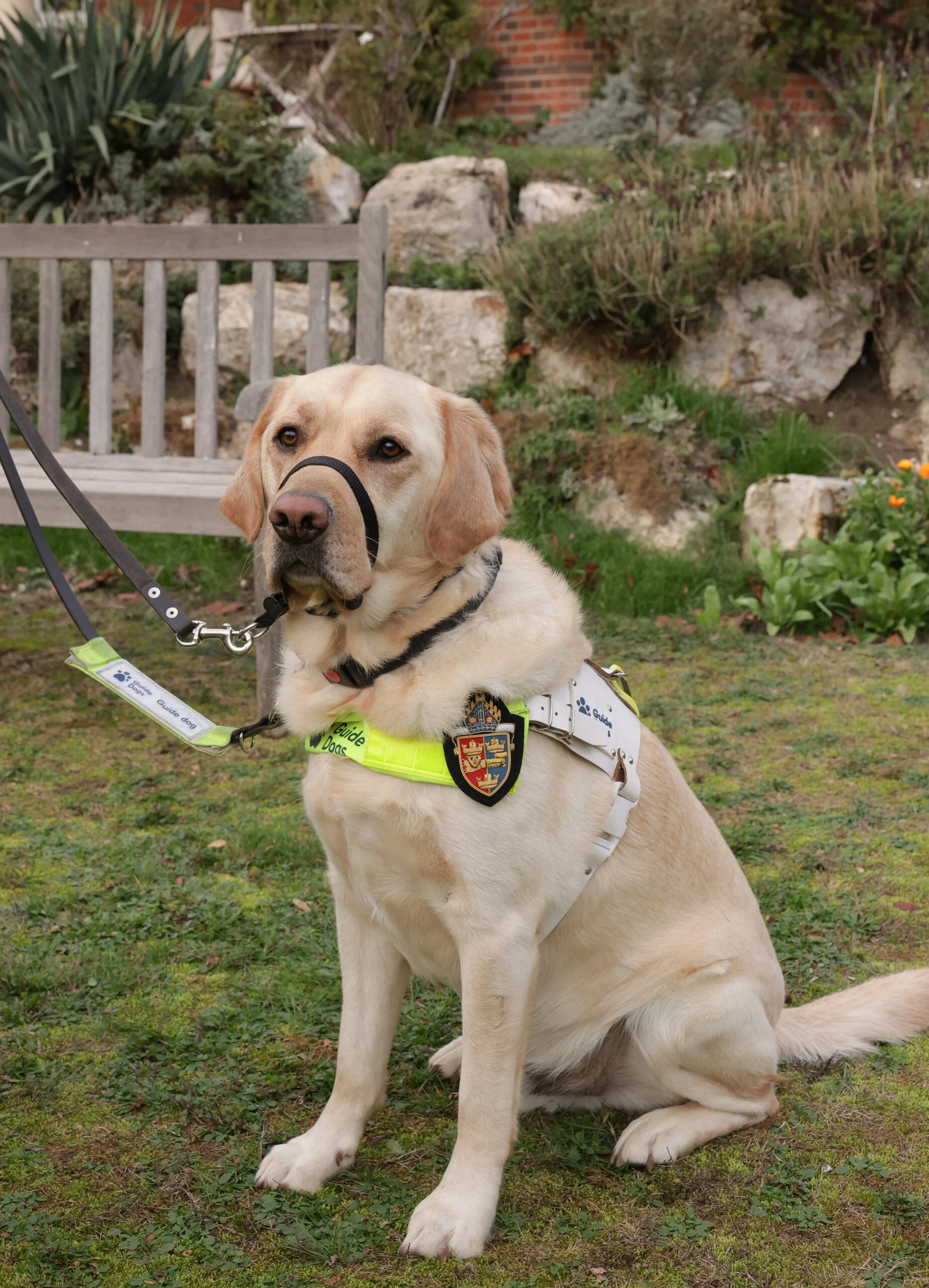
Recognising the way he enriches the life of his blind owner during her service within the community.
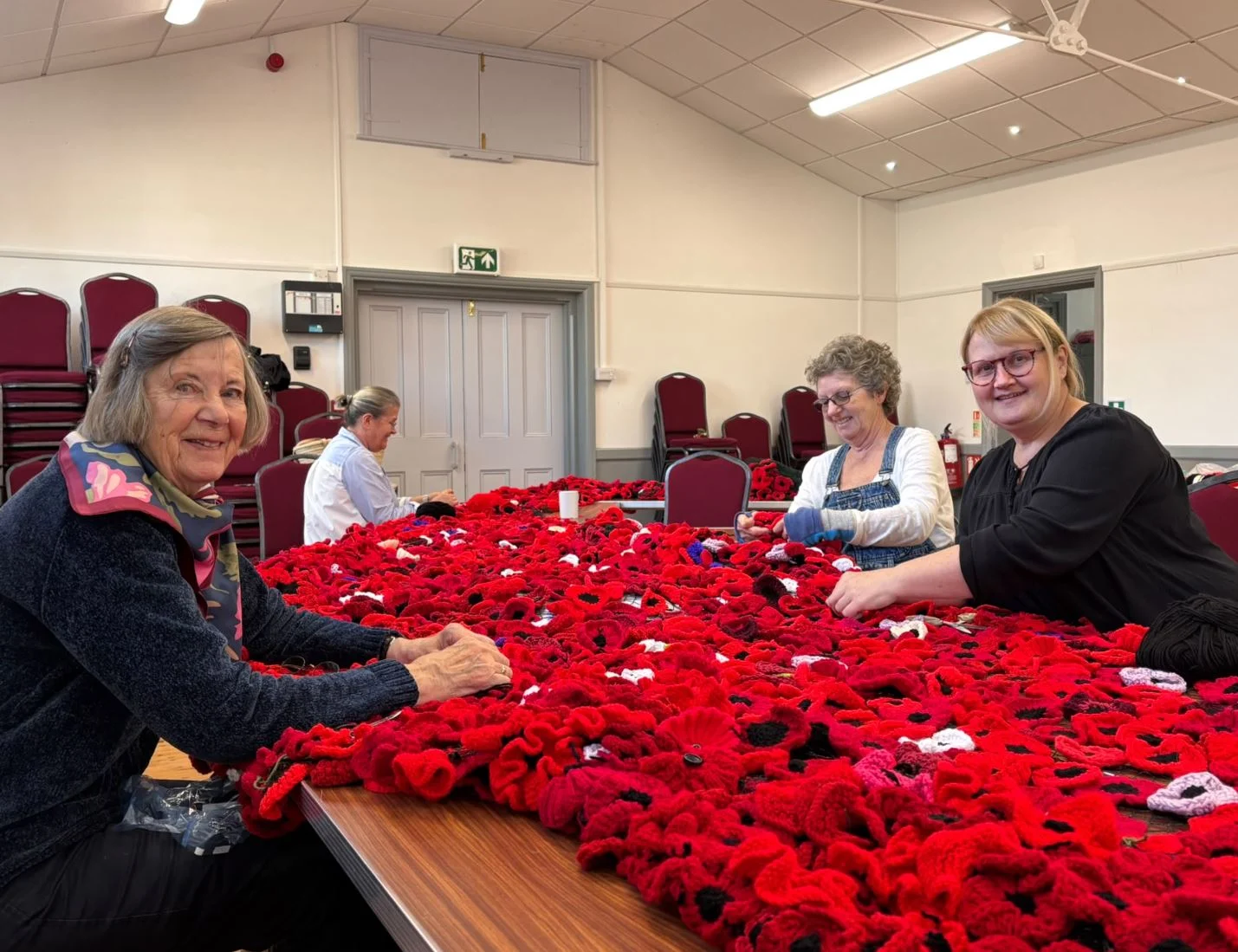
A community-made display of thousands of poppies at Friston’s St Mary the Virgin Church honours lives lost in conflicts.
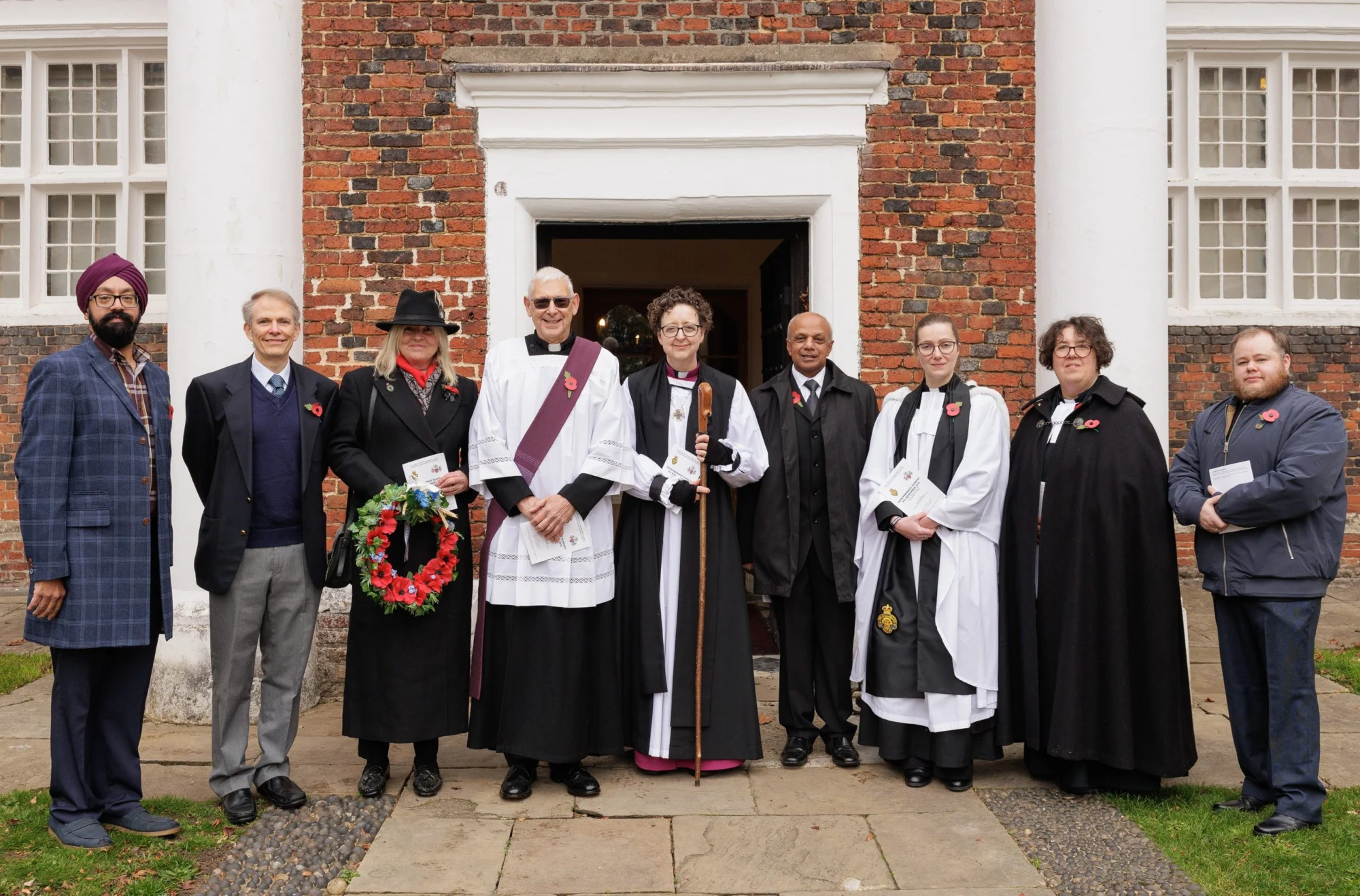
An opportunity to build a future where no one is a stranger, whatever our faith or background.
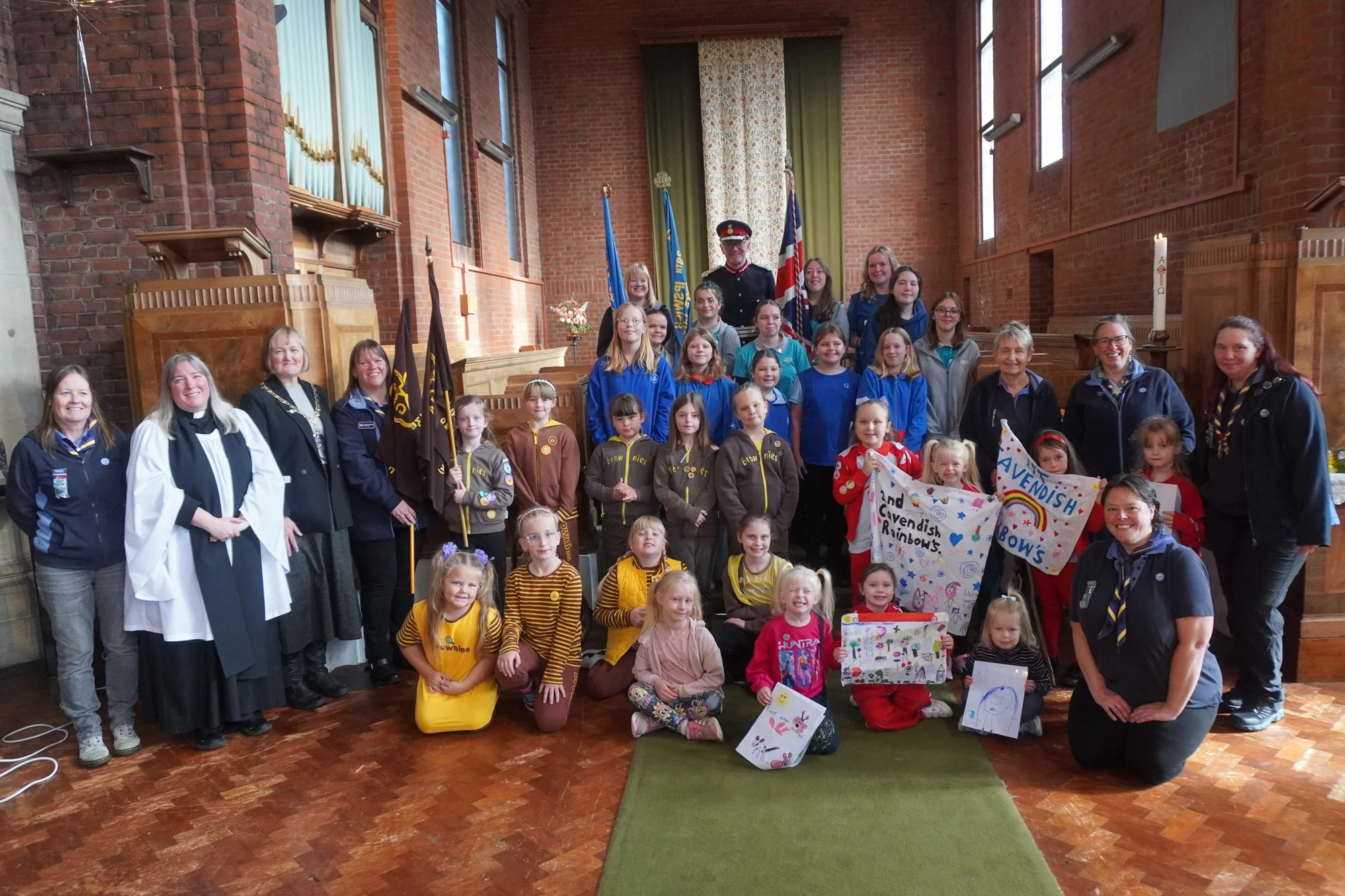
30 Girlguides, rangers, brownies and rainbows parade into the church holding their unit flags.
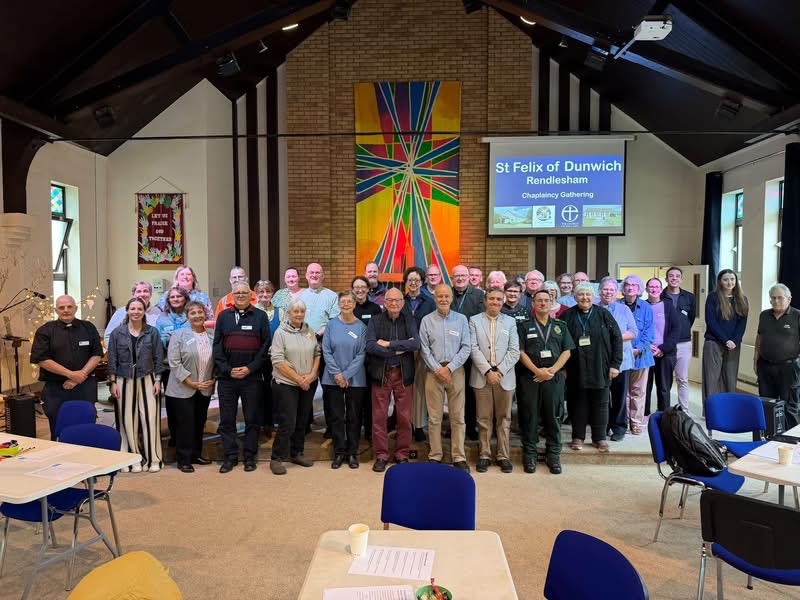
Anglican chaplains serving across a wide range of sectors throughout Suffolk came together
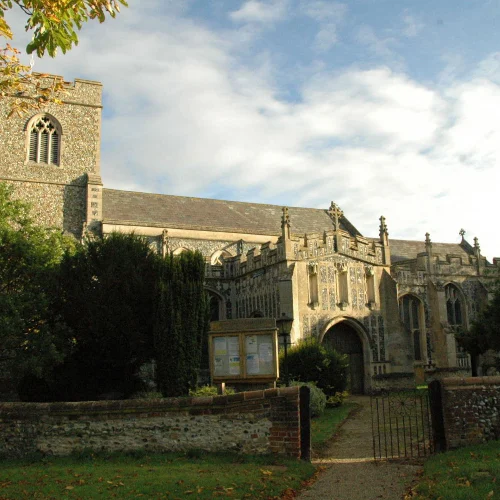
St Mary’s Church Glemsford has been awarded a grant by The National Lottery Heritage Fund to undertake essential repair work.
A growing church-led youth café in Ipswich is bringing children together for fun, games and delicious cheese toasties.
After almost 70 years of silence, the bell at Gipping Chapel is ready to ring once more.
We are confident this is really going to help our giving.